Bail bond documentation has a tendency to come to a difficult moment, typically late during the night after a booking or first appearance. You are worn out, the phone battery goes to 14 percent, and a bail bondsman is strolling you through a stack of forms. This is specifically when clearness matters most. A bail bond contract is lawfully enforceable, and as soon as you sign, you possess the commitments described in it. Comprehending the moving components prior to you sign can aid you stay clear of costly shocks, stretched connections, and unnecessary risk.
I have actually spent years reviewing these agreements with clients and reviewing them in disputes. The very same patterns appear over and over: complication about who owes what, disbelief concerning fees, and aggravation when something goes wrong. This overview walks through the composition of a common bail bond agreement, the catches I see frequently, and the practical actions you can require to secure yourself.
What a Bail Bond Is, and What It Is Not
Bail is an assurance backed by money or property that the offender will certainly return to court. The court establishes a bail total up to urge appearance. If the defendant can not pay the full amount in cash or via a residential or commercial property bond, a licensed surety company can post a bond for a cost. The charge is not a deposit, it is the cost of the service. In the majority of states, that price is a controlled percentage of the bond quantity, typically between 8 and 15 percent. For a 25,000 bond, the premium can be 2,000 to 3,750. That premium is typically nonrefundable, also when the situation resolves promptly or the fees are dismissed.
A bail bond does not eliminate threat. It shifts danger from the accused to the guaranty and, by contract, back to you if you are the indemnitor, sometimes called the cosigner. The guaranty pledges to the court that it will pay the bail if the offender misses out on required looks. In exchange, you promise to make the guaranty whole if that takes place. The contract you sign spells out those promises.
The Events and Their Roles
You will see a minimum of three functions called in the agreement. The accused is the person charged that requires launch. The surety is the firm holding the insurance coverage permit and power of attorney to write bail bonds. The bail agent, or bail bondsman, is the person that offers the bond and manage you. Ultimately, the indemnitor, sometimes greater than one, is the person that ensures the bond. If you are the friend or relative signing, you are normally the indemnitor.
Make sure the contract correctly identifies each celebration by complete legal name, not simply a nickname scribbled by hand. Mismatched names make complex later communications and can obstruct the return of collateral. Examine driver's permit numbers and addresses for precision. A correctly submitted agreement decreases conflicts and aids prove who accepted what.
Where the Costs Goes
The line item that attracts one of the most inquiries is the premium. It is essentially an insurance policy premium for the risk the guaranty takes. In virtually every jurisdiction, the premium comes from the surety and the agent as earned earnings when the bond messages. Customers press back here, particularly when a case ends in a couple of days. That feels like a lot of cash for a brief duration of threat. The secret is that the premium covers the whole threat life process of the bond, not billable hours. The guaranty remains on the hook up until the court pardons the bond at the end of the case. Also if nothing goes wrong, the costs is not a down payment and does not come back.
If you see a "discount" or "price cut" promised below the managed rate, pause. Many states impose rigorous guidelines against rebating. Ask the representative to show you the rate declaring or legal schedule for your state. If the price looks out of bounds, that is a warning regarding the agent's conformity on various other terms.
Fees Past the Premium
A common bail bond agreement usually includes additional charges. Some are sensible if revealed. Others creep in later on and trigger temper. Common examples include an application cost, charge card handling fees, a posting cost charged by the jail, and a cost for electronic tracking or ankle joint arm band if needed by the bond. There may also be a "reinstatement fee" if the court surrenders the bond due to a missed out on appearance and later withdraws that forfeiture.
Pay focus to language that allows the agent to subtract fees from collateral. That is where small line things become lost residential property. Request for a fee routine in writing. If the contract claims "sensible costs as incurred," push for details quantities or ranges. If the agent will certainly not create numbers down, assume those numbers will be high when they appear.
Collateral, and Why It Issues Also If You Depend On the Defendant
Collateral is exactly how the guaranty limits danger. Security can be cash money, a lorry title, property, jewelry, or various other properties. The contract needs to describe exactly what security you are giving, exactly how it will certainly be held, and the conditions for its release. For real estate, there must be a separate deed of depend on or home loan with recording information. For automobiles, there should be a title receipt and storage space terms if the representative maintains the cars and truck. For cash, there must be a receipt and the name of the count on account.
Collateral is not rent out. It is safety and security. The agent ought to return it promptly as soon as the court pardons the bond. Issues emerge when an agent believes a fee is still owed, the instance standing is unclear, or paperwork is missing out on. Prior to you sign, ask exactly what occasions should happen for collateral launch and what files you will certainly need to existing. Conserve every court min order, the final exoneration access, and any type of receipts. Those web pages end arguments later.
A fast word about equity mathematics for real estate security. A lot of agents want at the very least two times insurance coverage between readily available equity and bond quantity, given that a forced sale prices money and time. If the bond is 50,000 and you supply a home with 90,000 in equity, the representative might still say no. That is not individual; it is danger management.
Your Core Obligations as an Indemnitor
The indemnitor's assurances rest at the heart of the contract. Allot five mins to review that area line by line. You are doing more than vouching for the defendant's personality. Regular commitments include paying the premium, paying the guaranty for any type of loss on the bond, repaying healing expenses if the defendant falls short to show up, keeping the representative upgraded concerning the accused's place and employment, and making sure the accused participates in every hearing.
These are active services, not easy hopes. If your relative quits responding to telephone calls and has a hearing on Friday, the representative expects your help locating him. If you understand he moved apartments, you are normally needed to alert the agent quickly. If you feel awkward keeping that degree of obligation, do not authorize. There is no embarassment in attracting boundaries. I have seen friends ruin partnerships in both instructions, the resenting cosigner and the mad accused. Enter this duty just if you can do it.
The Accused's Conditions of Release
Even if you are not the offender, reviewed the area in the agreement that details the defendant's problems. These commonly mirror the court's conditions: show up whatsoever hearings, obey all regulations, remain in the area or state unless permitted, alert concerning address adjustments, no call with specific people, and follow any type of monitoring. The agreement might give the representative power to surrender the accused back to safekeeping if the accused breaks conditions, even if the court has not yet revoked bail.
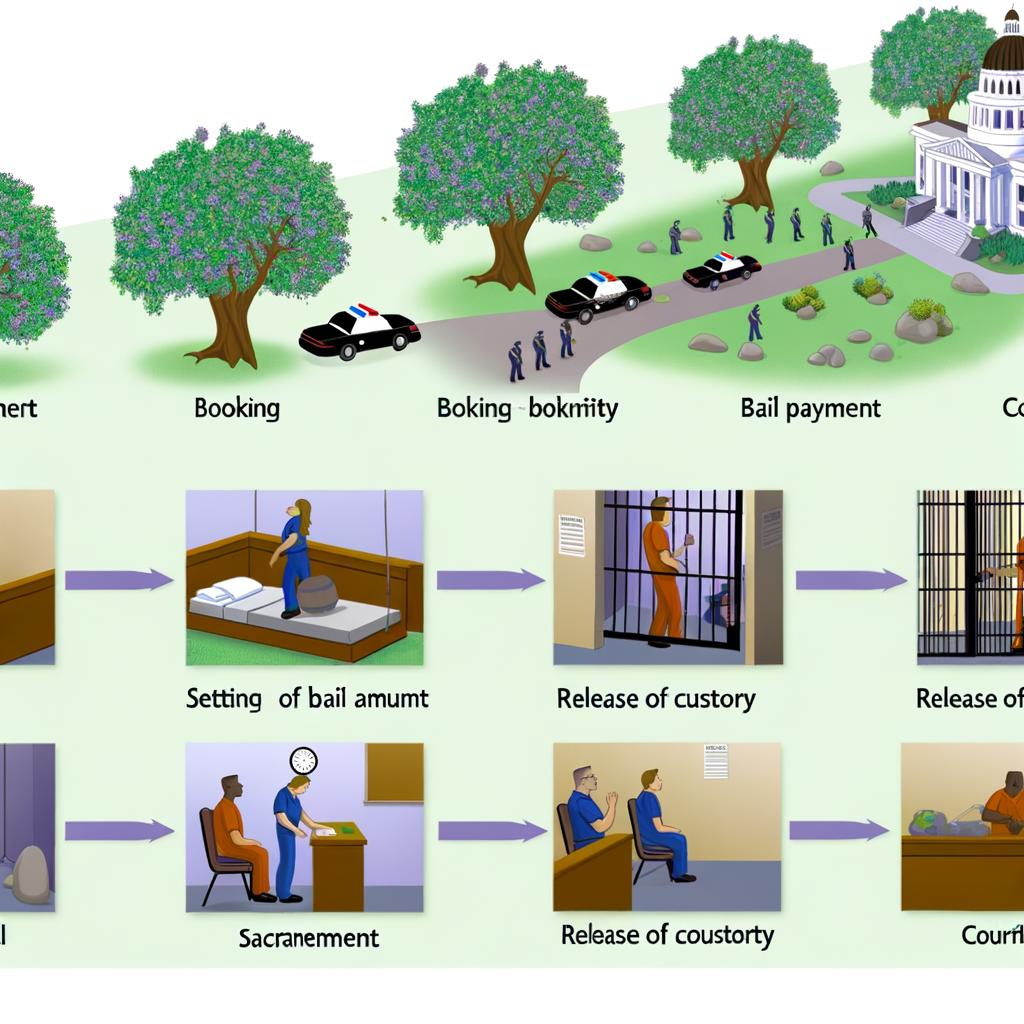
That surrender clause scares people, and it ought to trigger inquiries. Ask the agent to clarify, in simple language, when they would work out the right to give up. The majority of trusted representatives make use of surrender moderately, usually when they see a real threat of trip or repeated offenses. They prefer to maintain a customer compliant than begin over.
How Forfeiture Functions and Why Time Matters
If the defendant misses out on a required look, the court releases a forfeiture. There is usually a moratorium, often 30 to 180 days, during which the offender can show up and the court can leave the forfeit. Throughout this home window, the agent and guaranty work hard. They call you, call the accused, work with recuperation representatives if essential, and documents motions to expand the loss period. If the accused returns and the court sets aside the loss, added costs may still accrue. The contract often makes you in charge of those costs.
If the forfeit stands and the court requires settlement, the guaranty writes a check to the court for the complete bond amount. Then the guaranty transforms to you under the indemnity condition. This is the moment lots of indemnitors did not expect. The agreements are candid: you consented to reimburse the surety for the loss and for expenses. If you offered security, the guaranty will apply it. If security fails, the guaranty can pursue you for the remainder with collection or litigation.
The fastest method to decrease after effects after a missed court day is immediate interaction. Numerous courts are lax if the defendant appears within a short time and discusses the factor. Medical emergencies are much easier to verify than car problem. Well documented proof assists. If you call the representative within an hour, not 3 days later, the agent can file the ideal paperwork to keep the home window open.
Payment Plans and What Happens if You Default
Premiums and fees are usually funded. A typical strategy could split a 3,000 premium right into a 1,000 down payment and eight repayments of 250. Check out the finance agreement. Missed payments can trigger default remedies, such as surrender of the defendant or application of security to the equilibrium. Ask whether there is a grace period, how late costs are computed, and which notifications you will certainly get before more powerful actions occur.
One agreement I assessed last year enabled the representative to declare a default after any settlement was three days late, charge a 10 percent late cost, and surrender the accused at the agent's discernment. The indemnitor had never observed that provision and presumed a soft strategy. Put firm dates in your calendar. Utilize a savings account rather than a debit card preferably, given that stopped working card costs create avoidable fees.
An Instance That Draws the Threads Together
A mom published a bond for her boy on a 15,000 felony cost. The premium was 1,500 at a managed 10 percent rate. She paid 500 down and financed the equilibrium. She installed her cars and truck title as collateral, valued at concerning 7,000. The contract spelled out that 3 missed payments would be a default which the agent might apply the cars and truck title to the balance if she did not cure the default within ten days after notice.
Her boy missed a court day since he assumed the general public defender would certainly manage it. The court provided a forfeiture with a 60 day home window. The representative called immediately. The mom addressed and got her kid into the representative's workplace within 1 day. The agent strolled him to court and the judge abandoned the forfeit. Due to the fact that the loss had currently uploaded, the court charged management charges. The contract made the indemnitor in charge of those sensible costs. They concerned 180. Meanwhile, the mommy missed out on two monthly repayments on the premium money plan during the exact same period. The representative did not declare a default because she remained in touch and made a catch up repayment by day nine. The vehicle title was returned when the instance finished and the bond was exonerated.
None of this felt easy. But the quick interaction and exact reading of the contract prevented the ugliest end results: permanent loss, loss of the auto, or a civil judgment.
Clauses That Deserve a Highlighter
A bail bond contract varies by state and by firm, but some provisions typically show up and have outsized effect. These are the ones I flag for clients.
- Indemnity and reimbursement language. This is where you agree to pay the surety for all losses, prices, and lawyer charges emerging from the bond. Expect expressions like any and all expenses. Request for a cap or at least an itemized list of categories. Collateral handling and return. Look for specific triggers for release, amount of time for return after exoneration, and any type of deductions enabled. If the condition says within a practical time, request a variety of days, such as 15 or 30. Right to give up. Recognize the events that allow surrender and whether there is any notice need. Request for a commitment to try call before surrender unless there is a brewing flight risk. Fee schedule and changes. If the agreement allows fees to change, request for a repaired schedule affixed as a display. If the agent declines, take into consideration another agency. Dispute resolution. Some agreements require adjudication or define a location and regulating legislation. Know where you would battle an argument and who pays mediation costs.
These five clauses tell you just how the connection finishes when points go wrong, which is when words on a web page matter most.
The Function of Bond Conditions Beyond Court Dates
More courts now affix conditions beyond easy look. Time limits, steer clear of orders, medicine testing, and digital tracking appear regularly, particularly in situations involving physical violence, drugs, or repeat offenses. The bail bond contract occasionally incorporates these problems by recommendation and calls for the indemnitor to help impose them. That may imply guaranteeing the accused has a charged phone for general practitioner monitoring or rides to appointments.
If a checking firm is involved, there is commonly a different agreement with its own costs and fines. I have actually seen ankle bracelet charges run from 8 to 25 daily, plus installment fees. Late returns can sustain a loss charge. If the representative is bundling monitoring into the bail agreement, insist on seeing the surveillance terms and expenses in writing prior to concurring. If the accused loses the device or cuts it off, the healing expenses can be high and you can be on the hook.
What Takes place When the Situation Ends
The end of a criminal situation does not constantly end the bond instantly. The judge needs to pardon the bond, sometimes at the last hearing or by a different order. The clerk after that updates the docket. Just after that does the surety's obligation end. Some prisons or courts are sluggish to process documentation. If the representative has not gotten confirmation, security may not be launched yet.
Do your part by collecting the exoneration order before you leave the court house preferably. Hand a copy to the agent and email a checked duplicate to the office address in the agreement. Ask for a created acknowledgment that they have actually obtained it and the expected timeline for security return. A lot of reputable agencies return cash security within 7 to thirty day. Property launches depend upon tape-recording times, which differ by region. Titles saved with a loan provider or the automobile division take management time to retrieve.
If the representative drags their feet past the timelines in the agreement or declines to return collateral while declaring unidentified costs, put your need in composing and intensify to the surety company listed on the bond. The surety has a conformity division. State insurance policy regulatory authorities also take grievances seriously when representatives mess up collateral.
Tips for Selecting a Bail Representative and Reading the Fine Print
People choice the very first number that addresses the phone at midnight. That is understandable, however you still have selections. Short discussions reveal a lot.
- Ask the agent to explain the overall expense, consisting of the costs, any kind of application or prison costs, and prospective reinstatement or surveillance charges. A clear, patient response is a favorable sign. Ask how collateral will be held and when it will be returned. Search for specifics, not obscure reassurances. Ask what takes place if the offender misses out on court by crash. The most effective agents explain their process calmly and provide examples. Ask for a copy of the agreement before signing and 10 mins to read it. Respectable representatives hand it over and allow you take your time. Ask that the guaranty business is and confirm its certificate on your state's insurance coverage division website.
If any answer feels hurried or unsafe, call another representative. Competitors exists even at strange hours.
Edge Instances That Create Disputes
A few scenarios persist in complaints and suits. Understanding them in advance assists you plan.
Out of region warrants after launch. A defendant might post bond in one county and be hung on an old warrant in another. The initial bond might continue to be energetic while the defendant is moved. The indemnitor can wind up paying monitoring or transportation charges across numerous jurisdictions. Make clear exactly how the agent deals with multi county situations.
Immigration holds. If an offender has an ICE detainer, publishing a state bond can set off transfer to government protection. The state bond may still remain in play. Some representatives will not create bonds when an immigration hold is most likely due to the fact that healing alternatives are limited. Ask directly if an immigration hold is feasible and exactly how that impacts the bond.
New fees throughout launch. If the accused is detained on new costs, the original guaranty may select to surrender the offender on the initial bond. That is often permitted by contract. It really feels unfair to families that did nothing incorrect, yet the guaranty is managing enhanced threat. If you are worried, ask whether the agent would certainly consider readjusting security or costs rather than surrender if new fees arise.
Protective orders and address concerns. When the court enforces no get in touch with orders, an offender sometimes can not return to a common home. That implies the address in the contract is immediately incorrect, and a scramble begins. Prepare for a back-up house and notify the representative immediately. Contracts commonly call for notice of address modifications within 24 to 72 hours.
Payment disturbances. Task loss or savings account adjustments can break automatic repayments. Call the agent before a scheduled draft fails. They are even more adaptable with an aggressive telephone call than with quiet defaults.
The Human Side of Being a Cosigner
Numbers aside, you are handling a relationship duty. Family characteristics shift when a single person holds financial power over one more's flexibility. Speak plainly with the offender before you sign. Establish assumptions about phone calls, schedule tips, rides to court, and communication. If the accused bristles at the concept, consider stepping back. I have actually seen silent, specific arrangements save both the instance and the relationship: a shared Google calendar, a regulation that all mail from the court gets photographed and texted the day it arrives, and a regular sign in call.
If you need to obtain the accused's focus, the appropriate ally is often the defense lawyer. A quick three means call between you, the attorney, and the agent can align everybody. Attorneys appreciate clients who remain certified. Agents appreciate indemnitors who connect. You do not have to bear it alone.
A Simple Reading Method When You Are Weary and Time Is Short
Most bail bond agreements run 4 to 10 web pages. In a reserving lobby, that could also be a story. When time is limited, focus your focus where it matters most.
Start with the first page where the premium and charges are provided. Verify numbers. Check the indemnity stipulation and any language around lawyer charges. Review the security summary thoroughly and confirm it matches what you are providing. Check for the right to give up and try to find any type of notification need. Keep in mind the timeline for collateral return after exoneration. Lastly, locate the get in touch with details for the agent and the surety, including addresses for notices. Take pictures of the authorized web pages and receipts before you leave the counter.
A ten minute evaluation with a pen in hand can stop a 10 month headache.
Where Bail Bonds Fit into a Larger Decision
Not every defendant requires a bond. Often a release on recognizance is possible, specifically for minor fees and very first time transgressors with area ties. In some cases a 10 percent cash down payment with the court is offered, which can be reimbursed at the end of the situation minus administrative costs. Public protectors know the regional standards. Prior to you sign a bail bond contract, ask the attorney whether a bail decrease activity or a various kind of release is realistic within a few days. Paying a nonrefundable premium may not be required if patience results in a cheaper option.
On the various other hand, time in custody can set you back a job, a home, and also wardship of children. Waiting on a bond decrease can cause harm that towers over the premium. That is the the real world compromise. If the defendant is medically fragile, has immediate household responsibilities, or faces dangerous conditions in the prison, acting promptly with a bond makes sense.
Final Thoughts You Can Use
A bail bond agreement is not simply one more form in a stressful moment. It is a map of responsibilities that will certainly control the following couple of months of your life and the accused's. Read it, mark it, and request for specifics. Know the costs, see every fee in creating, recognize security, and realize that as the indemnitor you have genuine responsibilities. Choose an agent who treats you with respect and transparency. Keep the lines of communication open with the representative and the defense lawyer. Conserve every paper, especially the exoneration order, and send it to the agent as soon as you obtain it.
The bond system is incomplete, however an https://arthuryznu942.cavandoragh.org/how-domestic-scenarios-influence-bail-bond-authorization informed endorser can navigate it without shedding rest or cost savings. Clarity at the front end, and constant interaction throughout, will bring you through.
ABBA Bail Bonds 900 Avila St STE 101 Los Angeles, CA 90012 (213) 296-0901 https://abbabailbonds.com